The slow problem hiding in older walls
If you own a pre-1960 Rochester home and your upstairs shower has gone weak, or the water runs rusty after the house sits, the cause is often the supply pipes themselves. Galvanized steel was standard for decades, and it corrodes from the inside out. After 60 or 70 years, the inside of a galvanized line can be choked down to the diameter of a pencil with rust and mineral scale. You can't see it, but you feel it every time you turn on a tap.
---
Signs your supply pipes are failing
- Low water pressure, especially upstairs or when two fixtures run at once.
- Rusty or brown water, particularly first thing in the morning or after a trip away.
- Visible corrosion on exposed pipes in the basement — flaking, rust-colored buildup at joints.
- Pinhole leaks or recurring small leaks at threaded connections.
- You already know the pipes are galvanized and the house is decades old.
A useful tell: if the water comes out fine for a second then drops to a trickle, scale buildup is the likely culprit.
---
What "repiping" means
Repiping replaces the corroded supply lines that carry fresh water to your fixtures. It can be the whole house or just the worst runs — often the verticals feeding the second floor and the main horizontal runs in the basement. It does not mean tearing out the drains; that's a separate system. A good plumber will tell you whether you need a full repipe or a targeted section.
---
PEX vs copper
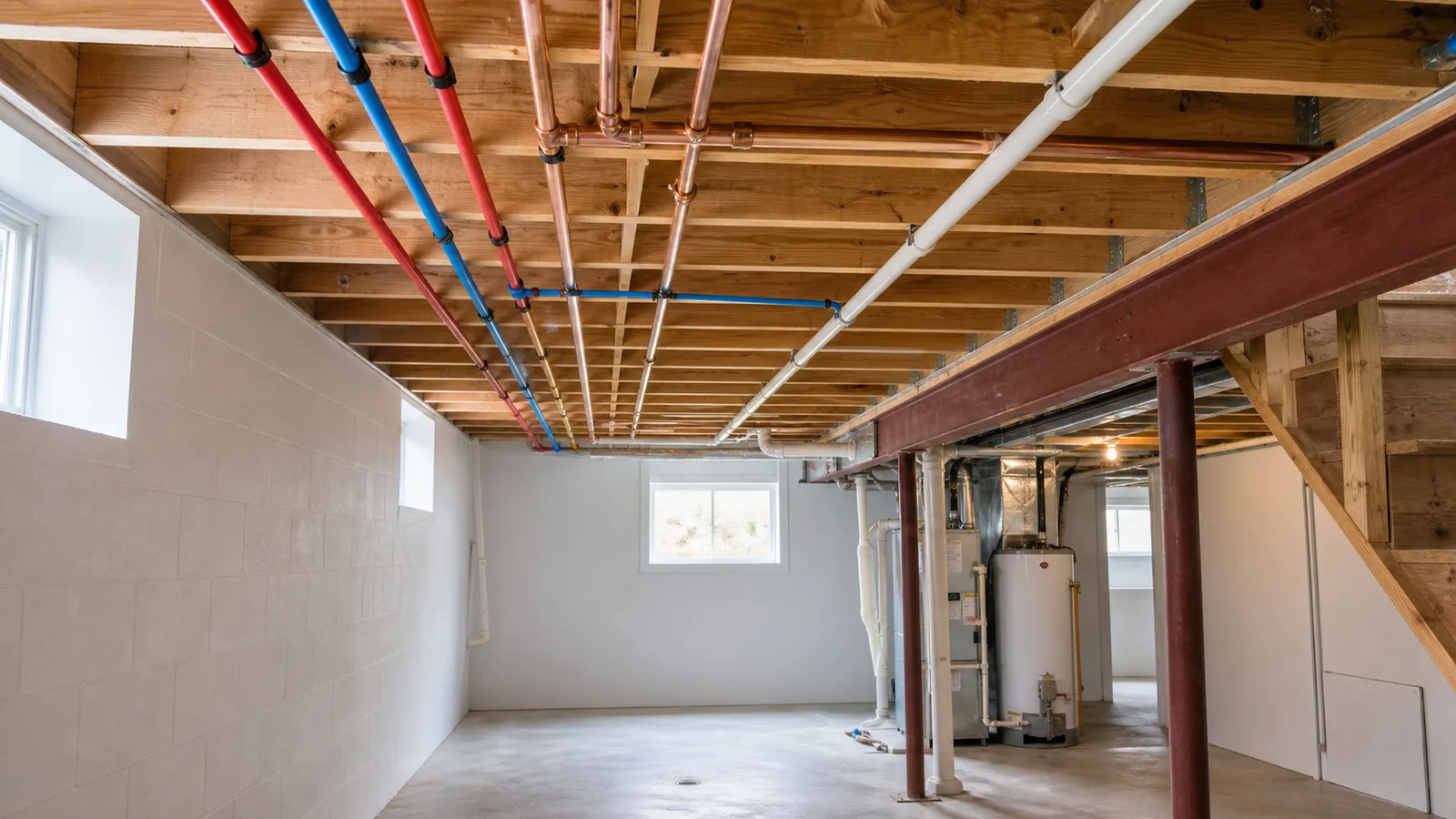
PEX (flexible plastic tubing) is the common modern choice: cheaper, faster to install, fewer joints, and it tolerates Rochester's freeze risk better because it can expand slightly. It snakes through walls with less demolition.
Copper is the traditional standard, rigid and long-proven, but more expensive in both material and labor.
Most repipes in older Rochester homes today use PEX for the bulk of the work, sometimes with copper at specific connection points. Both are a massive upgrade over corroded galvanized.
---
What it costs in 2026
- Partial repipe (worst runs, e.g. second-floor feeds): $2,500–$6,000.
- Whole-house repipe, PEX: $6,000–$12,000 depending on size, number of fixtures, and wall access.
- Whole-house in copper: higher, often $10,000–$18,000+.
Access drives the cost. Open basements and accessible walls keep it lower; plaster walls and finished ceilings that have to be opened and patched add labor and drywall work.
---
How disruptive is it?
Less than people fear. A focused crew can repipe a typical house in a few days. Water is off in stretches, and there's some wall and ceiling opening at access points that needs patching after. It's disruptive for a few days, then it's done for the rest of the time you own the house.
---
Mistakes to avoid
- Patching one leak at a time on a galvanized system. The pipe is failing everywhere at once; you'll be back.
- Ignoring rusty water as just cosmetic — it's the pipe degrading from the inside.
- Doing a kitchen or bath remodel without addressing the supply lines in the wall you've already opened. That open wall is the cheap moment to fix it.
- Skipping permits on significant plumbing work.
---
A practical next step
Check whether your supply pipes are galvanized (dull gray steel, threaded joints, a magnet sticks to them) and note where the pressure is worst. If you're already planning a bathroom or kitchen project, flag the pipes — replacing them while the wall is open is far cheaper than a separate job later.
A licensed plumber can scope whether you need a full repipe or just the failing runs, and price PEX against copper for your home.