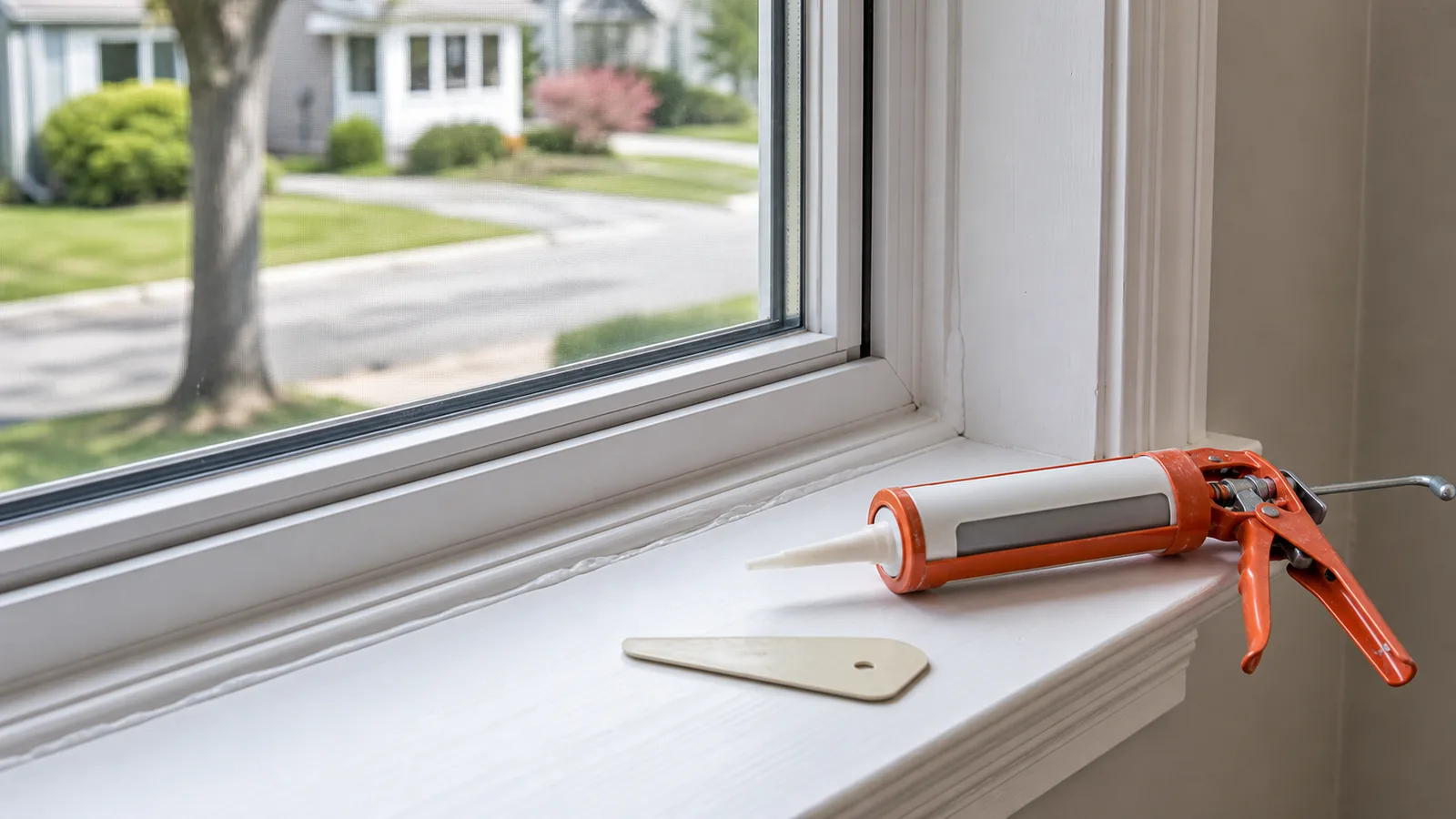
Little gaps, long winter
Air leaks are one of the biggest sources of heat loss in an older Rochester home, and most of them are small gaps you can seal cheaply. Caulking and sealing is unglamorous, low-cost, and one of the highest-return things you can do before winter — every sealed gap is heated air that stays inside.
Where the gaps are
- Around window and door trim, inside and out, where old caulk has cracked and pulled away.
- Where pipes, wires, and vents pass through exterior walls — often wide open behind a cover plate.
- Sill plates and rim joists in the basement — a major air-leak zone people never see.
- Gaps around the foundation and where siding meets trim.
- Failed caulk in tubs, showers, and around sinks (that's about water, not heat, but same tool).
Use the right caulk
This trips people up:
- Interior trim and gaps: paintable latex/acrylic caulk.
- Exterior and weather-exposed: flexible exterior caulk that handles Rochester's temperature swings without cracking.
- Tubs, showers, sinks: mold-resistant silicone for wet areas.
- Bigger gaps: expanding foam, not caulk (caulk can't bridge a wide gap).
Wrong product is why caulk fails fast — latex on a wet shower, or caulk where foam was needed.
Refreshing failed caulk
Old caulk that's cracked, shrunken, or moldy doesn't get covered over — it gets removed and redone, or the new bead won't stick and won't seal. Pulling the old, cleaning the joint, and laying a clean bead is what makes it last.
DIY or call someone
Caulking accessible interior trim and around tubs is a doable DIY with a little patience for a clean line. Sealing the basement rim joist properly, reaching exterior gaps up high, or pairing air sealing with insulation is where a handyman gets more done and gets at the leaks you can't easily reach.
Cost
Materials are a few dollars; a handyman can seal a whole house's worth of gaps in a visit or two. One of the cheapest comfort-and-energy upgrades there is.
A practical next step
On a cold, windy day, run your hand around windows, doors, and outlets on exterior walls to feel the drafts, and check the basement rim joist. Re-caulk what's accessible yourself; for the basement, exterior heights, or a real air-sealing pass, call a handyman.