A popular upgrade with one resale catch
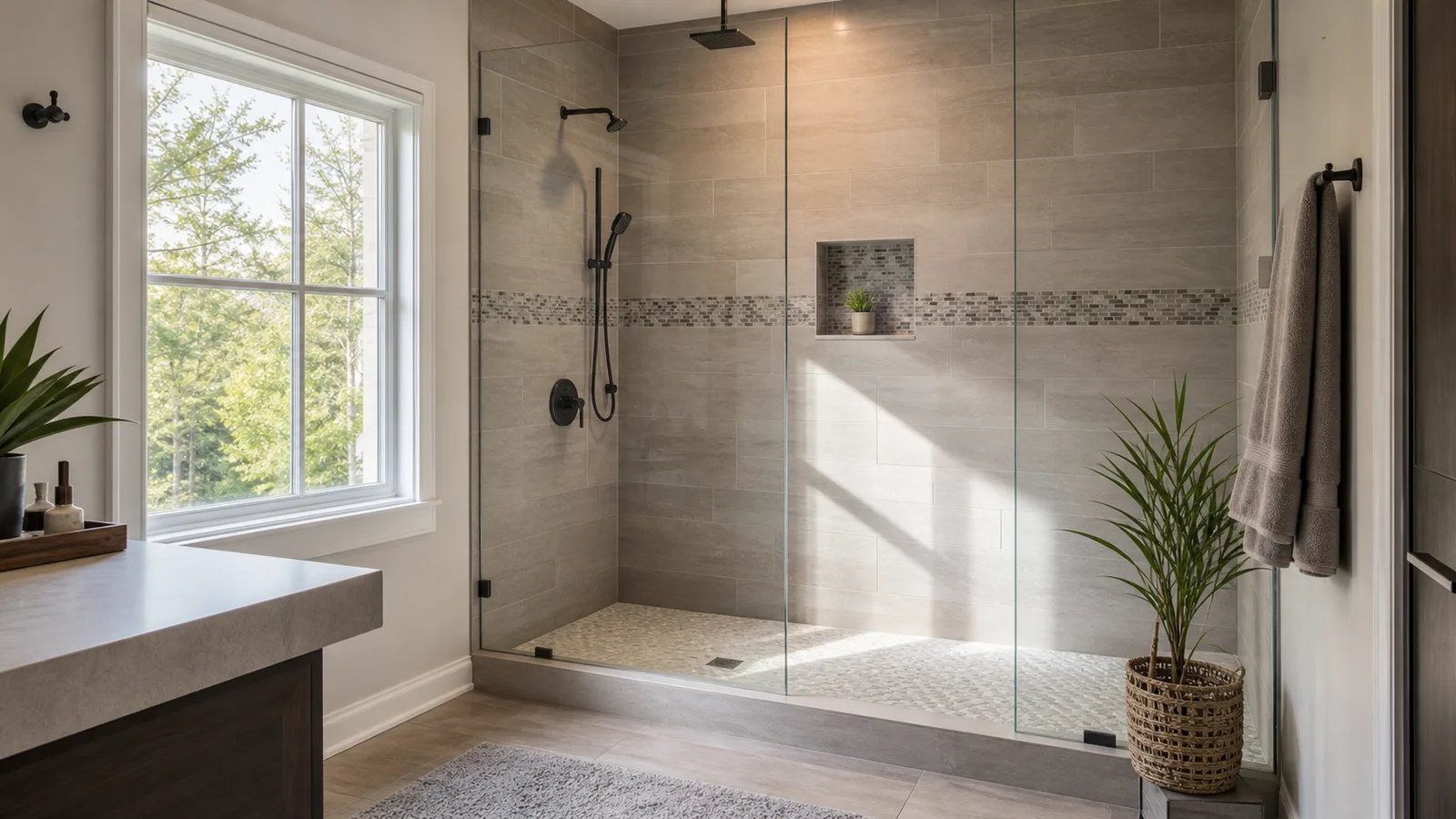
Tearing out a cramped, never-used tub for a big walk-in shower is one of the most requested bathroom changes, and for good reason — a well-built tiled shower feels like a hotel and most people stopped taking baths years ago. But before you remove every tub in the house, there's a resale rule worth knowing, and in older Rochester homes the conversion has a few wrinkles.
---
The one-tub rule for resale
Here's the resale guidance that holds in the Rochester market: keep at least one bathtub in the house, ideally in the main or kids' bathroom. Families with young children, and buyers planning for them, want a tub to bathe kids. A home with zero tubs narrows your buyer pool.
So the smart play is usually:
- Primary/en-suite bathroom: a walk-in shower is a strong upgrade and what most buyers want there.
- Main or second bathroom: keep a tub (a tub-shower combo covers both needs).
If you only have one bathroom, lean toward keeping a tub-shower combo unless your buyers are clearly not the family type.
---
What buyers actually want
- In the primary bath: a large, well-built walk-in shower reads as an upgrade — glass enclosure, good tile, a bench, a niche.
- Overall: at least one tub somewhere for resale flexibility.
- Either way: quality matters more than the choice. A cheap, poorly waterproofed shower hurts you; a well-done tub-shower combo helps you.
---
What it costs in 2026
- Tub-to-walk-in-shower conversion: $7,000–$15,000 for a quality tiled shower with proper waterproofing.
- Standard tub or tub-shower combo replacement: $5,000–$11,000.
- High-end custom shower (large format tile, glass, bench, multiple fixtures): $15,000–$25,000+.
The biggest cost driver isn't the tub-vs-shower choice — it's waterproofing and whether plumbing moves.
---
The older-home wrinkles
Rochester's older bathrooms add real factors to a conversion:
- Waterproofing is everything. A walk-in shower has more exposed wet area than a tub surround. In our climate, a proper bonded membrane (Schluter Kerdi or equivalent) is non-negotiable — failed waterproofing means rot in the framing and a full redo in a few years.
- Drain relocation. A tub drain and a shower drain sit in different spots. Moving it means opening the floor, which on an older home can mean dealing with old framing.
- Hidden rot. Tubs that leaked for years often left rot in the subfloor and framing underneath, which surfaces at demo.
- Curbless/accessible showers are popular and great for aging in place, but need careful floor work to slope and drain correctly.
---
Mistakes to avoid
- Removing your only tub in a family-friendly neighborhood and shrinking your resale pool.
- Cutting the waterproofing budget. It's the one place a cheap shower fails fast in Rochester's climate.
- Moving the drain for looks alone when keeping it saves significant labor.
- Ignoring rot under an old tub before building the new shower on top.
---
A practical next step
Count your bathrooms and tubs. If you have more than one bath, a walk-in shower in the primary is a strong move as long as a tub stays elsewhere. If you have only one, think hard before going tub-free.
A good bathroom remodeler will plan the waterproofing and drain work properly and advise on the tub-vs-shower mix that protects both your comfort and your resale.